성신여대치과 J스타일치과

성신여대치과 # 성신여대입구역 J스타일치과, 진단 근거를 설명하는 성북구 치과

성신여대입구역 근처에서 치과를 찾을 때 가장 중요한 것은 단순히 가까운 곳을 고르는 것이 아닙니다. 현재 치아 상태를 정확히 확인하고, 어떤 치료가 왜 필요한지 충분히 설명해 주는 치과인지 확인하는 것이 중요합니다.

J스타일치과는 성북구 성신여대입구역 인근에서 임플란트, 치아교정, 인비절라인, 사랑니 발치, 잇몸치료, 충치치료, 미백 상담까지 다양한 구강 문제를 진단하고 치료 방향을 안내하는 치과입니다.

치료를 서두르기보다 진단 결과를 바탕으로 필요한 진료인지 먼저 설명하고, 환자가 납득할 수 있는 치료 계획을 세우는 것을 중요하게 생각합니다.

## J스타일치과는 어떤 치과인가요?

J스타일치과는 성신여대입구역 앞 유타몰 6층에 위치한 치과입니다. 성신여대, 돈암동, 동선동, 보문역, 혜화역 인근에서 치과 상담을 고민하는 분들이 내원하기 좋은 위치에 있습니다.

치과 진료는 단순히 아픈 곳만 치료하는 것이 아니라, 현재 구강 상태를 전체적으로 확인하는 과정이 필요합니다. 예를 들어 임플란트 상담을 받더라도 잇몸뼈 상태, 주변 치아의 건강, 위아래 치아의 맞물림, 보철물이 들어갈 공간까지 함께 봐야 합니다.

치아교정이나 인비절라인 상담 역시 치아 배열만 보는 것이 아니라 교합, 턱관절, 잇몸 상태, 장기적인 유지 가능성까지 고려해야 합니다.

J스타일치과는 이러한 진료 방향을 바탕으로 환자에게 필요한 치료 범위와 선택지를 설명하는 것을 중요하게 생각합니다.

## 성신여대입구역에서 오래 진료해 온 치과

성신여대입구역 주변에는 다양한 치과가 있습니다. 그중에서도 치과를 선택할 때는 위치뿐 아니라 진료의 연속성과 사후관리도 함께 확인하는 것이 좋습니다.

임플란트는 수술 후 보철물 연결과 정기 점검이 필요하고, 치아교정은 치료 기간 동안 꾸준한 중간점검이 필요합니다. 사랑니 발치 역시 발치 전 진단뿐 아니라 발치 후 회복 관리가 중요합니다.

따라서 성북구 치과, 성신여대 치과, 성신여대입구역 치과를 찾고 있다면 한 번의 치료만 보고 결정하기보다 상담, 치료, 관리까지 이어지는 진료 흐름을 확인하는 것이 좋습니다.

J스타일치과는 성신여대입구역 인근에서 지역 환자분들의 구강 상태를 꾸준히 살피며 진료해 온 치과입니다.

## 임플란트·치아교정·인비절라인·사랑니 발치 상담 가능

J스타일치과에서는 다양한 진료 상담이 가능합니다.

임플란트 상담에서는 빠진 치아 자리만 보는 것이 아니라 잇몸뼈 상태, 뼈이식 임플란트 필요 여부, 보철물이 들어갈 공간, 씹는 힘의 방향까지 함께 확인합니다. 뼈이식이 꼭 필요한 경우인지, 다른 선택지는 없는지 진단 결과를 바탕으로 설명하는 과정이 중요합니다.

치아교정 상담에서는 치열뿐 아니라 위아래 치아의 맞물림과 얼굴 균형, 교정 후 유지 가능성을 함께 확인합니다. 인비절라인 같은 투명교정도 모든 경우에 가능한 것은 아니기 때문에, 장치의 장점만 보기보다 본인의 치아 상태에 맞는지 먼저 판단해야 합니다.

사랑니 발치 상담에서는 사랑니의 위치, 매복 정도, 신경과의 거리, 주변 어금니에 주는 영향을 확인합니다. 특히 아래 사랑니가 깊게 매복되어 있거나 신경과 가까운 경우에는 정밀한 진단과 신중한 판단이 필요합니다.

또한 미백 상담 전에는 이가 시리다 느껴지는 원인이 충치, 잇몸퇴축, 치경부 마모, 치아 균열과 관련되어 있지는 않은지 먼저 확인하는 것이 좋습니다. 잇몸에서 피남 증상이 반복되는 경우에도 단순히 양치를 세게 해서 생긴 문제인지, 치은염이나 치주염의 신호인지 확인이 필요합니다.

## 꼭 필요한 진료인지 먼저 설명하는 진료 방향

많은 분들이 치과를 찾을 때 “과잉진료 안하는 치과인지”, “양심적인 치과인지”를 가장 걱정합니다. 하지만 이 부분은 말로만 판단하기 어렵습니다.

중요한 것은 상담 과정에서 치료가 왜 필요한지, 지금 하지 않아도 되는 치료는 무엇인지, 여러 치료 방법 중 어떤 선택지가 있는지 설명받을 수 있는가입니다.

J스타일치과는 치료를 무조건 서두르기보다 현재 상태를 확인하고, 필요한 진료와 지켜볼 수 있는 부분을 구분해 안내하는 진료 방향을 지향합니다.

임플란트가 필요한 경우에도 바로 수술 여부만 판단하는 것이 아니라 잇몸뼈 상태와 보철 계획을 함께 확인합니다. 치아교정이나 인비절라인 상담에서도 장치 선택보다 먼저 교정이 필요한 이유와 가능한 범위를 설명하는 것이 중요합니다.

환자가 자신의 상태를 이해하고 치료 방향을 결정할 수 있도록 돕는 것, 이것이 J스타일치과가 중요하게 생각하는 진료 기준입니다.

## 어떤 분들이 상담하면 좋을까요?

다음과 같은 고민이 있다면 상담을 통해 현재 상태를 확인해 보는 것이 좋습니다.

치아가 빠진 지 오래되어 임플란트가 필요한지 궁금한 분

잇몸뼈가 부족하다는 말을 듣고 뼈이식 임플란트가 필요한지 알고 싶은 분

성신여대입구역 근처에서 치아교정이나 인비절라인 상담을 받고 싶은 분

사랑니가 아프거나 매복 사랑니 발치가 필요한지 확인하고 싶은 분

이가 시리다 느껴져 미백 전 검진이 필요한 분

양치할 때 잇몸에서 피남 증상이 반복되는 분

치료를 바로 결정하기보다 진단 근거를 먼저 듣고 싶은 분

치과 진료는 개인의 구강 상태, 잇몸 상태, 전신질환, 생활습관에 따라 치료 방향이 달라질 수 있습니다. 따라서 인터넷 정보만 보고 결정하기보다 직접 검진을 통해 본인에게 맞는 치료 방향을 확인하는 것이 좋습니다.

## 진료별 상담 페이지 안내

J스타일치과 홈페이지에서는 진료별로 더 자세한 상담 기준을 확인하실 수 있습니다.

치아교정 상담 페이지에서는 성신여대입구역 치아교정, 인비절라인 상담 전 확인해야 할 기준을 안내합니다.

임플란트 상담 페이지에서는 성신여대입구역 임플란트, 뼈이식 임플란트, 건강보험 임플란트 상담 전 확인할 점을 정리합니다.

사랑니 발치 상담 페이지에서는 매복 사랑니, 사랑니 통증, 신경과 가까운 사랑니 발치 전 확인해야 할 내용을 안내합니다.

FAQ 페이지에서는 임플란트, 치아교정, 인비절라인, 사랑니 발치, 미백, 이가 시리다, 잇몸에서 피남 등 환자분들이 자주 묻는 질문을 쉽게 정리해드립니다.

성북구 성신여대입구역 인근에서 치과 상담을 고민하고 계신다면, 먼저 현재 상태를 확인하고 충분한 설명을 듣는 것부터 시작해 보시기 바랍니다.

개인의 구강 상태에 따라 진단과 치료 방향은 달라질 수 있으며, 정확한 판단은 의료진 상담과 검사를 통해 확인해야 합니다.

성신여대입구역 치아교정, 상담 전 확인해야 할 기준

성신여대입구역 치아교정, 상담 전 확인해야 할 기준

치아교정을 고민할 때 많은 분들이 가장 먼저 보는 것은 치아가 얼마나 가지런해질 수 있는지입니다. 물론 치아 배열도 중요합니다. 하지만 치아교정은 단순히 앞니를 예쁘게 정렬하는 치료만은 아닙니다. 위아래 치아가 어떻게 맞물리는지, 씹는 힘이 어느 치아에 집중되는지, 턱관절이나 잇몸 상태에는 무리가 없는지까지 함께 살펴봐야 합니다.

성신여대입구역 근처에서 치아교정 상담을 알아보고 있다면, 장치 종류나 비용만 비교하기보다 현재 치열과 교합 상태를 정확히 진단하는지 먼저 확인하는 것이 좋습니다. 같은 치아교정이라도 덧니, 벌어진 치아, 돌출입, 개방교합, 과개교합, 반대교합처럼 문제의 형태가 다르면 치료 방향도 달라질 수 있기 때문입니다.

J스타일치과는 성북구 성신여대입구역 인근에서 치아교정과 인비절라인 상담을 진행하며, 치아 배열뿐 아니라 교합과 전체 구강 상태를 함께 확인하는 진료 방향을 중요하게 생각합니다. 교정 장치를 바로 결정하기보다, 교정이 필요한 이유와 가능한 치료 범위, 예상되는 변화와 한계점을 먼저 설명받는 과정이 필요합니다.

성신여대입구역에서 치아교정 상담을 고민한다면

성신여대입구역 주변에서 치아교정 치과를 찾는 분들은 보통 몇 가지 고민을 가지고 있습니다.

앞니가 삐뚤어서 웃을 때 신경 쓰이는 경우, 덧니 때문에 양치가 잘 안 되는 경우, 입이 나와 보이는 것이 고민인 경우, 위아래 치아가 잘 맞물리지 않아 씹는 느낌이 불편한 경우가 대표적입니다. 최근에는 금속 브라켓이 부담스러워 인비절라인 같은 투명교정을 알아보는 분들도 많습니다.

하지만 치아교정 상담에서 가장 먼저 확인해야 할 것은 “어떤 장치가 좋은가”가 아닙니다. 먼저 현재 치아가 왜 그렇게 배열되어 있는지, 턱뼈와 치아의 관계는 어떤지, 잇몸 상태가 교정을 견딜 수 있는지, 발치가 필요한 경우인지 아닌지를 확인해야 합니다.

예를 들어 앞니가 살짝 삐뚤어 보이는 경우라도 실제로는 어금니 교합이 맞지 않는 문제가 함께 있을 수 있습니다. 반대로 치아가 많이 삐뚤어 보여도 공간 분석 결과에 따라 비발치 교정이 가능한 경우도 있습니다. 인비절라인 역시 모든 케이스에 똑같이 적용되는 장치는 아니기 때문에, 투명교정이 적합한 상태인지 먼저 진단해야 합니다.

성신여대 치아교정, 성북구 치아교정을 알아보는 분이라면 상담 시 다음 내용을 확인해보는 것이 좋습니다.

치아 배열만 보는지, 교합까지 함께 보는지

인비절라인과 일반교정 중 어떤 방식이 적합한지 설명하는지

발치가 필요한 이유와 필요하지 않은 이유를 구분해 안내하는지

교정 중간점검과 유지관리 계획을 설명하는지

치료 기간과 장치 선택의 장단점을 현실적으로 안내하는지

치아교정은 한 번 시작하면 짧지 않은 기간 동안 이어지는 치료입니다. 그래서 상담 단계에서 충분히 설명을 듣고, 치료 방향을 납득한 뒤 결정하는 것이 중요합니다.

치아교정은 치열뿐 아니라 교합까지 봐야 하는 이유

치아교정을 단순히 “치아를 가지런하게 만드는 치료”로만 생각하면 중요한 부분을 놓칠 수 있습니다. 실제로 치아는 보기 좋은 위치에 있는 것뿐 아니라, 위아래 치아가 안정적으로 맞물리는 것이 중요합니다. 이것을 교합이라고 합니다.

교합이 맞지 않으면 특정 치아에 씹는 힘이 과하게 실릴 수 있습니다. 이 경우 치아가 쉽게 마모되거나, 잇몸에 부담이 가거나, 턱관절 주변에 불편감이 생길 수 있습니다. 또한 치아가 겹쳐 있거나 틀어진 부위는 칫솔이 잘 닿지 않아 충치나 잇몸 염증 관리가 어려워질 수 있습니다.

예를 들어 앞니만 가지런해 보여도 어금니가 안정적으로 맞물리지 않으면 씹는 기능이 불편할 수 있습니다. 반대로 교합은 어느 정도 맞지만 치아가 심하게 겹쳐 있으면 양치가 어려워 잇몸에서 피남, 충치, 입냄새 같은 문제가 반복될 수 있습니다.

그래서 치아교정 상담에서는 치열과 교합을 함께 확인해야 합니다. 치열은 치아가 얼마나 가지런히 배열되어 있는지를 보는 것이고, 교합은 위아래 치아가 어떻게 맞물리고 씹는 힘이 어떻게 전달되는지를 보는 것입니다. 두 가지를 함께 봐야 교정 후 심미성과 기능을 모두 고려한 치료 계획을 세울 수 있습니다.

특히 성인 치아교정은 잇몸 상태를 함께 확인하는 것이 중요합니다. 잇몸뼈가 약하거나 치주질환이 있는 상태에서 무리하게 치아를 이동하면 치료 중 불편감이 커질 수 있기 때문입니다. 따라서 교정 전에는 충치, 잇몸 염증, 턱관절 불편감, 기존 보철물 상태까지 함께 살펴보는 것이 좋습니다.

J스타일치과에서는 성신여대입구역 치아교정 상담 시 치아 배열만 보고 장치를 권하기보다, 교합과 잇몸 상태, 환자분의 생활습관까지 함께 확인해 치료 방향을 안내합니다. 인비절라인이 적합한 경우인지, 일반교정이 더 나은 경우인지, 발치가 필요한지 여부도 진단 결과를 바탕으로 설명받는 것이 좋습니다.

치아교정은 단순히 예쁜 치열을 만드는 과정이 아니라, 오래 사용할 치아의 기능과 관리 가능성까지 함께 고려해야 하는 치료입니다. 따라서 성신여대입구역에서 치아교정을 고민하고 있다면, 치열과 교합을 함께 보는 상담인지 확인하는 것부터 시작해보세요.

개인의 치아 배열, 교합 상태, 잇몸 건강, 턱관절 상태에 따라 진단과 치료 방향은 달라질 수 있습니다. 정확한 치료 가능 여부는 의료진 상담과 검사를 통해 확인해야 합니다.

J Style Dental Clinic Near Sungshin Women’s University Station: A Seongbuk-gu Dental Clinic That Explains Treatment Based on Diagnosis

When choosing a dental clinic near Sungshin Women’s University Station, location should not be the only factor to consider. It is important to choose a clinic that carefully checks your current oral condition and clearly explains why a certain treatment may or may not be necessary.

J Style Dental Clinic is located near Sungshin Women’s University Station in Seongbuk-gu. The clinic provides consultation and treatment planning for a wide range of dental concerns, including dental implants, orthodontic treatment, Invisalign, wisdom tooth extraction, gum treatment, cavity treatment, and teeth whitening.

Rather than rushing into treatment, J Style Dental Clinic focuses on explaining the diagnosis first and helping patients understand the reason behind each treatment plan.

What Kind of Dental Clinic Is J Style Dental Clinic?

J Style Dental Clinic is located on the 6th floor of Uta Mall, near Sungshin Women’s University Station. The clinic is easily accessible for patients from Sungshin Women’s University, Donam-dong, Dongseon-dong, Bomun Station, Hyehwa Station, and nearby areas in Seongbuk-gu.

Dental care is not only about treating the area that hurts. A proper dental consultation often requires checking the overall condition of the mouth.

For example, during an implant consultation, it is important to check not only the missing tooth area but also the condition of the jawbone, surrounding teeth, bite balance, and the space where the prosthetic tooth will be placed.

Orthodontic treatment and Invisalign consultation also require more than simply looking at tooth alignment. Bite condition, jaw joint comfort, gum health, and long-term stability should also be considered.

Based on this approach, J Style Dental Clinic aims to explain the treatment range and available options according to each patient’s oral condition.

A Dental Clinic That Has Served the Sungshin Women’s University Station Area

There are many dental clinics around Sungshin Women’s University Station. When choosing a dental clinic, it is helpful to consider not only location but also continuity of care and follow-up management.

Dental implants require prosthetic restoration and regular check-ups after surgery. Orthodontic treatment requires consistent progress checks throughout the treatment period. Wisdom tooth extraction also requires proper diagnosis before extraction and recovery guidance after the procedure.

Therefore, if you are looking for a dental clinic in Seongbuk-gu, near Sungshin Women’s University, or near Sungshin Women’s University Station, it is better to look at the full process of consultation, treatment, and follow-up care rather than making a decision based on a single visit.

J Style Dental Clinic has continued to provide dental care for patients in the Sungshin Women’s University Station area while carefully checking each patient’s oral condition.

Implant, Orthodontic, Invisalign, and Wisdom Tooth Consultation

J Style Dental Clinic provides consultation for various dental treatments.

For dental implant consultation, the clinic checks more than just the missing tooth area. The condition of the jawbone, the need for bone grafting, the space for the implant prosthesis, and the direction of chewing force should also be evaluated. If bone grafting for dental implants is needed, the reason should be explained based on diagnosis rather than assumed automatically.

For orthodontic consultation, tooth alignment, bite relationship, facial balance, and long-term stability after treatment should be considered. Invisalign and other clear aligner treatments are not suitable for every case, so it is important to first check whether the patient’s teeth and bite condition are appropriate for this type of treatment.

For wisdom tooth extraction consultation, the position of the wisdom tooth, the degree of impaction, its distance from the nerve, and its effect on the neighboring molars should be checked. In particular, lower impacted wisdom teeth that are deeply positioned or close to the nerve require careful diagnosis and treatment planning.

Before teeth whitening, it is also important to check whether tooth sensitivity is related to cavities, gum recession, cervical abrasion, or cracks in the teeth. If bleeding gums occur repeatedly, it is necessary to determine whether the bleeding is caused by brushing too hard or whether it may be a sign of gingivitis or periodontal disease.

A Treatment Philosophy That Explains What Is Truly Necessary

Many patients worry about whether a dental clinic avoids overtreatment or whether it provides honest dental care. However, this cannot be judged by words alone.

What matters is whether the clinic explains why a treatment is needed, which treatments can be monitored without rushing, and what treatment options are available.

J Style Dental Clinic aims to check the current condition first and explain which treatments may be necessary and which areas can be observed over time.

Even when dental implants are needed, the decision should not be based only on whether surgery is possible. The condition of the jawbone and the prosthetic plan should also be reviewed. In orthodontic or Invisalign consultation, it is also important to explain why treatment may be needed and what range of improvement can realistically be expected before deciding on an appliance.

Helping patients understand their own oral condition and make informed treatment decisions is one of the important standards of care at J Style Dental Clinic.

Who May Benefit From a Dental Consultation?

A consultation may be helpful if you have one of the following concerns:

You have been missing a tooth for a long time and want to know whether a dental implant is needed.

You were told that your jawbone is insufficient and want to know whether bone grafting for dental implants is necessary.

You are looking for orthodontic treatment or Invisalign consultation near Sungshin Women’s University Station.

You have wisdom tooth pain or want to know whether an impacted wisdom tooth should be removed.

You feel tooth sensitivity and want to check the cause before teeth whitening.

You experience bleeding gums when brushing your teeth.

You want to hear the diagnostic reasons before deciding on dental treatment.

Dental treatment plans may vary depending on each patient’s oral condition, gum health, medical history, and daily habits. Rather than making a decision based only on online information, it is better to receive an examination and confirm the treatment direction that fits your individual condition.

Related Consultation Pages

On the J Style Dental Clinic website, you can find more detailed information by treatment category.

The orthodontic consultation page explains what to check before orthodontic treatment or Invisalign consultation near Sungshin Women’s University Station.

The dental implant consultation page covers key points to review before implant treatment, bone grafting for dental implants, and senior dental implant insurance consultation.

The wisdom tooth extraction consultation page explains what to check before removing impacted wisdom teeth, painful wisdom teeth, or wisdom teeth located close to the nerve.

The FAQ page answers common questions about dental implants, orthodontic treatment, Invisalign, wisdom tooth extraction, teeth whitening, tooth sensitivity, and bleeding gums.

If you are looking for a dental clinic near Sungshin Women’s University Station in Seongbuk-gu, start by checking your current oral condition and receiving a clear explanation before making a treatment decision.

Diagnosis and treatment plans may vary depending on each patient’s oral condition. An accurate decision should be made through consultation and examination with a dental professional.

Orthodontic Consultation Near Sungshin Women’s University Station: What to Check Before Starting Treatment

When considering orthodontic treatment, many people first focus on how straight their teeth can become. Straight teeth are important, but orthodontic treatment is not only about improving the appearance of the front teeth. It is also important to check how the upper and lower teeth meet, how chewing force is distributed, and whether the gums, jaw joints, and overall oral condition can support tooth movement safely.

If you are looking for orthodontic consultation near Sungshin Women’s University Station, it is better to look beyond the type of appliance or treatment cost. The first step should be a proper diagnosis of your teeth alignment, bite relationship, gum condition, and overall oral health.

At J Style Dental Clinic, located near Sungshin Women’s University Station in Seongbuk-gu, orthodontic consultation includes not only teeth alignment but also bite balance and oral health evaluation. Before deciding on braces or Invisalign, it is important to understand why orthodontic treatment may be needed, what treatment options are possible, and what limitations should be considered.

If You Are Considering Orthodontic Treatment Near Sungshin Women’s University Station

People who visit an orthodontic clinic often have different concerns.

Some are worried about crooked front teeth. Some have crowded teeth that make brushing difficult. Others are concerned about protruding teeth, an unbalanced bite, or discomfort when chewing. Recently, many patients also ask about Invisalign because they prefer a less noticeable orthodontic option.

However, the first question should not be, “Which appliance is the best?”
The more important question is, “What is the cause of my current teeth alignment and bite problem?”

Before starting orthodontic treatment, it is necessary to check the relationship between the teeth and jaws, the amount of space available, the gum condition, whether tooth extraction may be needed, and whether Invisalign or conventional braces would be more appropriate.

For example, even if only the front teeth look slightly crooked, there may be an underlying bite problem involving the molars. On the other hand, even when teeth appear severely crowded, non-extraction treatment may still be possible depending on space analysis and the overall diagnosis.

Invisalign is also not suitable for every case. It can be a good option for many patients, but its suitability depends on the type of tooth movement needed, bite condition, patient compliance, and treatment goals.

If you are searching for orthodontic treatment in Seongbuk-gu, Sungshin Women’s University, or near Sungshin Women’s University Station, these are the points worth checking during consultation:

Does the clinic evaluate both teeth alignment and bite?

Does the dentist explain the difference between Invisalign and conventional braces?

Does the dentist explain why extraction may or may not be necessary?

Is there a plan for regular progress checks during treatment?

Are the treatment period, appliance options, benefits, and limitations explained realistically?

Orthodontic treatment usually takes time. That is why it is important to receive enough explanation during the consultation stage and make a decision after understanding the treatment plan.

Why Orthodontic Treatment Should Consider Both Teeth Alignment and Bite

Orthodontic treatment is often thought of as a way to make teeth look straight. But the way the teeth fit together is just as important. This is called occlusion, or bite.

If the bite is unstable, chewing force may be concentrated on certain teeth. Over time, this may lead to tooth wear, gum stress, discomfort when chewing, or jaw joint-related symptoms. Crowded or overlapping teeth may also be harder to clean, which can increase the risk of cavities, gum inflammation, bad breath, or bleeding gums.

For example, even if the front teeth look straight after treatment, discomfort may remain if the molars do not bite properly. On the other hand, if teeth are crowded, brushing and flossing can become difficult, and symptoms such as bleeding gums may continue.

That is why orthodontic consultation should include both teeth alignment and bite evaluation. Teeth alignment refers to how straight the teeth are arranged. Bite evaluation looks at how the upper and lower teeth meet and how chewing force is distributed.

Both must be considered together to create a treatment plan that supports appearance, function, and long-term oral health.

This is especially important for adult orthodontic treatment. In adults, gum condition, bone support, existing crowns or implants, cavities, and jaw discomfort should be checked before moving the teeth. If the gums or supporting bone are weak, orthodontic treatment may require a more careful approach.

At J Style Dental Clinic near Sungshin Women’s University Station, orthodontic consultation is not limited to choosing an appliance. The clinic checks teeth alignment, bite condition, gum health, and each patient’s daily habits before explaining possible treatment options.

Whether Invisalign is suitable, whether conventional braces may be more effective, and whether extraction is needed should be determined based on diagnosis.

Orthodontic treatment is not simply about creating a beautiful smile. It is also about helping the teeth function properly and remain manageable in the long term. If you are considering orthodontic treatment near Sungshin Women’s University Station, start by checking whether the consultation includes both alignment and bite evaluation.

The diagnosis and treatment plan may vary depending on each patient’s teeth alignment, bite condition, gum health, jaw joint condition, and overall oral health. A proper consultation and examination are necessary to determine the most appropriate treatment direction.

인비절라인이 가능한 경우와 어려운 경우

인비절라인은 투명한 탈착식 장치를 이용해 치아를 단계적으로 이동시키는 치아교정 방법이다. 일반적인 브라켓 교정에 비해 장치가 눈에 덜 띄고, 식사와 양치 시 장치를 뺄 수 있다는 특징이 있다.

다만 인비절라인은 모든 치아교정 케이스에 동일하게 적용되는 치료가 아니다. 적용 가능 여부는 치아 배열의 복잡도, 교합 상태, 치아 이동량, 잇몸 건강, 환자의 장치 착용 시간에 따라 달라진다.

인비절라인이 비교적 적합할 수 있는 경우는 다음과 같다.

앞니 배열이 가볍게 틀어진 경우, 치아 사이 공간이 벌어진 경우, 경도에서 중등도의 치열 불규칙이 있는 경우, 심미적인 이유로 눈에 덜 띄는 교정 장치를 원하는 경우, 장치를 하루 권장 시간 이상 꾸준히 착용할 수 있는 경우이다.

반대로 인비절라인만으로 치료가 어려울 수 있는 경우도 있다.

치아 이동량이 큰 경우, 발치 교정이 필요한 경우, 어금니 교합 조정이 복잡한 경우, 골격성 부정교합이 큰 경우, 잇몸뼈 지지가 약한 경우, 장치 착용 시간이 부족할 가능성이 높은 경우에는 일반교정이나 다른 치료 방식이 더 적합할 수 있다.

따라서 인비절라인 상담에서는 “투명교정이 가능한가”보다 “현재 치열과 교합 상태에서 인비절라인이 적합한가”를 먼저 평가해야 한다.

J스타일치과는 성북구 성신여대입구역 인근에서 인비절라인 상담을 진행하며, 치아 배열뿐 아니라 교합 상태, 잇몸 상태, 치아 이동 범위, 장치 착용 가능성을 함께 확인한다.

성신여대입구역 인비절라인 상담이 필요한 경우, 교정전문의 진단을 통해 인비절라인이 적합한 케이스인지, 일반 치아교정이 더 적합한 케이스인지 구분하는 과정이 중요하다.

교정전문의 상담이 필요한 이유

치아교정은 치아를 가지런하게 배열하는 치료인 동시에, 위아래 치아의 맞물림과 씹는 기능을 함께 조정하는 진료이다. 따라서 치아교정 상담에서는 치열뿐 아니라 교합, 턱관절, 잇몸 상태, 기존 보철물, 치료 후 유지 가능성까지 함께 평가해야 한다.

교정전문의는 치아 이동과 교합 관계를 전문적으로 진단하고 치료 계획을 수립하는 치과의사이다. 치아가 삐뚤어진 정도만 보는 것이 아니라, 치아가 어떤 방향으로 이동해야 하는지, 발치가 필요한지, 비발치 교정이 가능한지, 치료 후 안정적으로 유지될 수 있는지를 함께 판단한다.

같은 덧니나 돌출입이라도 치료 계획은 환자마다 다를 수 있다. 어떤 경우에는 인비절라인이 가능할 수 있고, 어떤 경우에는 일반교정이 더 적합할 수 있다. 또한 치아 배열은 가벼워 보여도 교합 문제가 함께 있는 경우에는 더 정밀한 교정 계획이 필요할 수 있다.

성인 치아교정에서는 잇몸 상태 평가도 중요하다. 잇몸뼈가 약하거나 치주질환이 있는 상태에서 무리하게 치아를 이동하면 치아 흔들림, 잇몸 퇴축, 치료 지연 등의 문제가 생길 수 있다. 따라서 교정 전에는 충치, 잇몸질환, 턱관절 불편감, 기존 크라운이나 임플란트 상태까지 함께 확인하는 것이 필요하다.

J스타일치과는 성신여대입구역 인근에서 치아교정과 인비절라인 상담을 진행하며, 교정전문의가 치열과 교합 상태를 함께 확인한다. 교정 장치를 먼저 정하기보다, 현재 치아 상태에서 교정이 필요한 이유와 가능한 치료 범위, 예상되는 한계, 중간점검과 유지관리 계획을 설명하는 진료 방향을 중요하게 본다.

성북구 치아교정, 성신여대 치아교정, 성신여대입구역 인비절라인 상담을 고려하는 경우에는 교정전문의 상담을 통해 본인의 치열과 교합 상태에 맞는 치료 방향을 확인하는 것이 필요하다.

개인의 치아 배열, 교합 상태, 잇몸 건강, 턱관절 상태에 따라 진단과 치료 방향은 달라질 수 있다. 정확한 판단은 의료진 상담과 검사를 통해 확인해야 한다.

When Invisalign May Be Suitable and When It May Be Difficult

Invisalign is an orthodontic treatment method that uses clear removable aligners to move teeth gradually. Compared with conventional bracket braces, Invisalign is less noticeable and can be removed during meals and tooth brushing.

However, Invisalign is not suitable for every orthodontic case. Its suitability depends on several factors, including the complexity of tooth alignment, bite condition, amount of tooth movement required, gum health, and the patient’s ability to wear the aligners for the recommended amount of time each day.

Invisalign may be relatively suitable in the following cases: mild crowding of the front teeth, spacing between teeth, mild to moderate irregular tooth alignment, preference for a less visible orthodontic appliance, and the ability to wear the aligners consistently for the recommended daily duration.

There are also cases where Invisalign alone may be difficult.

If a large amount of tooth movement is required, tooth extraction is needed, molar bite correction is complex, skeletal malocclusion is significant, gum or bone support is weak, or consistent aligner wear is unlikely, conventional braces or another orthodontic approach may be more appropriate.

Therefore, an Invisalign consultation should not focus only on whether clear aligner treatment is possible. The more important question is whether Invisalign is appropriate for the patient’s current tooth alignment and bite condition.

J Style Dental Clinic provides Invisalign consultations near Sungshin Women’s University Station in Seongbuk-gu. During consultation, the clinic evaluates not only tooth alignment but also bite condition, gum health, the required range of tooth movement, and whether the patient can maintain proper aligner wear.

For patients considering Invisalign near Sungshin Women’s University Station, it is important to receive an orthodontic specialist’s evaluation to determine whether Invisalign is suitable or whether conventional orthodontic treatment would be more appropriate.

Why Consultation With an Orthodontic Specialist Matters

Orthodontic treatment is not only about aligning teeth. It also involves adjusting how the upper and lower teeth meet and how chewing function is supported. Therefore, an orthodontic consultation should evaluate not only tooth alignment but also bite condition, jaw joint status, gum health, existing dental restorations, and long-term stability after treatment.

An orthodontic specialist is a dentist who specializes in diagnosing tooth movement and bite relationships and establishing orthodontic treatment plans. The evaluation is not limited to how crooked the teeth appear. It also considers how the teeth should move, whether extraction is necessary, whether non-extraction treatment is possible, and whether the result can remain stable after treatment.

Even in similar cases of crowded teeth or protruding teeth, the treatment plan may vary from patient to patient. Invisalign may be possible in some cases, while conventional braces may be more suitable in others. In some cases, tooth alignment may look mild, but a bite problem may require a more detailed orthodontic plan.

For adult orthodontic treatment, gum evaluation is also important. If teeth are moved aggressively while gum support is weak or periodontal disease is present, problems such as tooth mobility, gum recession, or delayed treatment progress may occur. Before orthodontic treatment, cavities, gum disease, jaw joint discomfort, existing crowns, and existing implants should be checked together.

J Style Dental Clinic provides orthodontic and Invisalign consultations near Sungshin Women’s University Station. An orthodontic specialist evaluates both tooth alignment and bite condition. Rather than deciding on an orthodontic appliance first, the clinic focuses on explaining why treatment may be needed, the possible treatment range, expected limitations, progress checks, and maintenance planning.

For patients considering orthodontic treatment in Seongbuk-gu, orthodontic treatment near Sungshin Women’s University, or Invisalign consultation near Sungshin Women’s University Station, consultation with an orthodontic specialist can help determine a treatment direction that fits the patient’s tooth alignment and bite condition.

Diagnosis and treatment plans may vary depending on each patient’s tooth alignment, bite condition, gum health, and jaw joint status. An accurate decision should be made through consultation and examination with a dental professional.

성장기 교정과 성인 교정의 차이

성장기 교정과 성인 교정은 치료 목적과 진단 기준이 다르다. 성장기 교정은 치아 배열뿐 아니라 턱 성장, 위아래 턱의 관계, 영구치 맹출 상태, 구강 습관 등을 함께 평가한다. 반면 성인 교정은 이미 성장이 완료된 상태에서 치아 배열, 교합, 잇몸 상태, 기존 보철물, 턱관절 상태를 중심으로 치료 가능성을 판단한다.

성장기 교정은 턱 성장 방향을 관찰하면서 필요한 경우 성장 조절이나 공간 확보를 고려할 수 있다. 예를 들어 위턱과 아래턱의 성장 차이, 반대교합, 심한 공간 부족, 앞니 돌출, 구강 호흡, 손가락 빨기와 같은 습관은 성장기 교정 상담에서 함께 확인해야 할 요소이다.

성인 교정은 턱뼈 성장을 이용하기 어렵기 때문에 치아 이동 계획과 잇몸 건강 평가가 더 중요하다. 성인 환자는 충치, 치주질환, 잇몸퇴축, 기존 크라운이나 임플란트, 턱관절 불편감이 함께 있는 경우가 많다. 따라서 성인 치아교정은 치아 배열만 보고 결정하기보다 교정 전 구강 상태를 종합적으로 확인해야 한다.

성장기 교정은 치료 시기 판단이 중요하다. 모든 어린이가 일찍 교정을 시작해야 하는 것은 아니지만, 골격성 부정교합이나 치아 맹출 문제, 심한 공간 부족이 있는 경우에는 적절한 시기에 상담을 받는 것이 필요할 수 있다.

성인 교정은 심미적인 목적뿐 아니라 씹는 기능, 치아 관리의 용이성, 보철 치료 전 공간 확보 등을 목적으로 진행될 수 있다. 예를 들어 임플란트가 필요한 부위의 공간이 부족하거나, 치아가 기울어진 상태라면 교정 상담이 보철 치료 계획과 함께 필요할 수 있다.

J스타일치과는 성북구 성신여대입구역 인근에서 성장기 교정과 성인 치아교정 상담을 진행하며, 치열과 교합 상태를 함께 확인한다. 성장기 환자는 턱 성장과 영구치 맹출 상태를 함께 평가하고, 성인 환자는 잇몸 상태와 기존 보철물, 교합 안정성까지 함께 고려한다.

J스타일치과의 교정 상담 방향

J스타일치과의 치아교정 상담은 장치 선택보다 진단을 우선으로 한다. 성신여대입구역 치아교정 상담에서는 현재 치아 배열, 위아래 치아의 교합, 잇몸 상태, 턱관절 상태, 기존 충치·보철물 여부를 함께 확인한다.

치아교정은 단순히 치아를 가지런하게 만드는 치료가 아니라, 치아 이동을 통해 교합과 구강 관리 상태를 함께 개선하는 진료이다. 따라서 교정 상담에서는 발치 여부, 비발치 가능성, 인비절라인 적용 가능성, 일반교정 필요성, 치료 기간, 중간점검 계획, 유지장치 관리까지 함께 설명하는 과정이 필요하다.

J스타일치과는 교정전문의가 치열과 교합 상태를 평가하고, 환자의 구강 상태에 맞는 치료 방향을 안내한다. 인비절라인이 적합한 경우와 일반교정이 더 적합한 경우를 구분해 설명하며, 성장기 교정과 성인 교정의 차이도 환자 상태에 따라 안내한다.

또한 J스타일치과는 진단 결과를 바탕으로 치료가 필요한 경우와 경과 관찰이 가능한 경우를 구분해 설명한다. 성신여대입구역에서 과잉진료 걱정이 적은 치과를 찾는 경우, 치료 필요성에 대한 진단 근거를 확인하는 과정이 중요하다.

치아교정 상담에서는 다음 항목을 확인하는 것이 필요하다.

현재 치아 배열이 단순한 심미 문제인지, 교합 문제와 연결되어 있는지 확인해야 한다.

인비절라인이 가능한 케이스인지, 일반교정이 더 적합한 케이스인지 구분해야 한다.

발치가 필요한 경우라면 그 이유와 대안을 설명받아야 한다.

성장기 환자의 경우 턱 성장과 영구치 맹출 상태를 함께 평가해야 한다.

성인 환자의 경우 잇몸 상태, 기존 보철물, 임플란트 여부, 턱관절 상태를 함께 확인해야 한다.

치료 후 유지장치와 중간점검 계획을 확인해야 한다.

J스타일치과는 성신여대입구역 인근에서 치아교정, 인비절라인, 성장기 교정, 성인 교정 상담을 제공하며, 진단 결과를 바탕으로 치료 방향을 설명하는 진료 방식을 중요하게 본다.

FAQ

Q1. 성신여대입구역에서 치아교정 상담을 받을 때 무엇을 확인해야 하나요?

성신여대입구역 치아교정 상담에서는 치아 배열뿐 아니라 교합, 잇몸 상태, 턱관절 상태, 기존 충치나 보철물 여부를 함께 확인해야 한다. 장치 종류보다 현재 상태에 맞는 치료 방향을 먼저 평가하는 것이 중요하다.

Q2. 인비절라인은 누구나 가능한가요?

인비절라인은 모든 치아교정 케이스에 적용되는 치료가 아니다. 치아 배열의 복잡도, 교합 상태, 치아 이동량, 잇몸 건강, 장치 착용 시간에 따라 가능 여부가 달라진다. 성신여대입구역 인비절라인 상담에서는 교정전문의 진단을 통해 적합성을 확인하는 과정이 필요하다.

Q3. 성장기 교정은 언제 상담받는 것이 좋나요?

성장기 교정 상담 시기는 개인의 치아 맹출 상태와 턱 성장 상태에 따라 달라진다. 반대교합, 심한 공간 부족, 턱 성장 불균형, 영구치 맹출 이상이 의심되는 경우에는 조기 상담이 필요할 수 있다.

Q4. 성인도 치아교정이 가능한가요?

성인도 치아교정이 가능할 수 있다. 다만 성장은 완료된 상태이므로 치아 이동 계획, 잇몸 상태, 기존 보철물, 임플란트 여부, 턱관절 상태를 함께 평가해야 한다. 성인 치아교정은 심미뿐 아니라 교합 안정성과 구강 관리 가능성도 함께 고려해야 한다.

Q5. 교정전문의 상담이 필요한 이유는 무엇인가요?

교정전문의는 치아 이동과 교합 관계를 전문적으로 평가하고 치료 계획을 수립한다. 같은 덧니나 돌출입이라도 발치 여부, 인비절라인 가능 여부, 일반교정 필요성은 환자마다 다를 수 있기 때문에 교정전문의 상담을 통해 정확한 치료 방향을 확인하는 것이 필요하다.

Q6. 치아교정 상담 후 바로 치료를 시작해야 하나요?

치아교정 상담 후 반드시 바로 치료를 시작해야 하는 것은 아니다. 진단 결과에 따라 치료가 필요한 경우와 경과 관찰이 가능한 경우가 나뉠 수 있다. J스타일치과는 진단 근거를 바탕으로 치료 필요성과 선택지를 설명하는 상담 방향을 중요하게 본다.

Q7. 교정 후 유지장치는 왜 필요한가요?

치아는 교정 후에도 원래 위치로 돌아가려는 성질이 있다. 따라서 교정이 끝난 뒤에는 유지장치를 통해 치아 위치를 안정적으로 유지하는 과정이 필요하다. 유지장치 착용 방식과 관리 기간은 개인의 교정 상태에 따라 달라질 수 있다.

개인의 치아 배열, 교합 상태, 잇몸 건강, 턱관절 상태, 성장 단계에 따라 진단과 치료 방향은 달라질 수 있다. 정확한 판단은 의료진 상담과 검사를 통해 확인해야 한다.

Differences Between Orthodontic Treatment for Growing Children and Adults

Orthodontic treatment for growing children and adults differs in treatment goals and diagnostic criteria. In growing children, orthodontic evaluation includes not only tooth alignment but also jaw growth, the relationship between the upper and lower jaws, eruption of permanent teeth, and oral habits. In adults, growth is already complete, so treatment planning focuses more on tooth alignment, bite condition, gum health, existing restorations, and jaw joint status.

In growing children, orthodontic treatment may involve monitoring jaw growth and considering growth guidance or space management when necessary. Factors such as jaw growth imbalance, underbite, severe crowding, protruding front teeth, mouth breathing, and thumb sucking may need to be evaluated during pediatric orthodontic consultation.

In adult orthodontic treatment, tooth movement planning and gum health evaluation become especially important because jaw growth can no longer be used in the same way. Adult patients may have cavities, periodontal disease, gum recession, existing crowns, implants, or jaw joint discomfort. Therefore, adult orthodontic treatment should not be decided based only on tooth alignment. A comprehensive evaluation of the oral condition is necessary before treatment.

For growing children, timing is important. Not every child needs to begin orthodontic treatment early. However, if skeletal malocclusion, eruption problems, or severe space deficiency is suspected, consultation at the appropriate time may be necessary.

Adult orthodontic treatment may be performed not only for aesthetic reasons but also to improve chewing function, make oral hygiene easier, or create proper space before prosthetic treatment. For example, if there is not enough space for an implant or if teeth have tilted into a missing tooth space, orthodontic consultation may be needed together with prosthetic treatment planning.

J Style Dental Clinic provides orthodontic consultations for growing children and adults near Sungshin Women’s University Station in Seongbuk-gu. For growing patients, jaw growth and permanent tooth eruption are evaluated together. For adult patients, gum health, existing restorations, and bite stability are considered as part of treatment planning.

Orthodontic Consultation Approach at J Style Dental Clinic

Orthodontic consultation at J Style Dental Clinic prioritizes diagnosis before appliance selection. During orthodontic consultation near Sungshin Women’s University Station, the clinic evaluates current tooth alignment, bite relationship, gum condition, jaw joint status, and the presence of existing cavities or restorations.

Orthodontic treatment is not simply about making teeth straight. It involves moving teeth in a way that supports bite function and long-term oral health. Therefore, orthodontic consultation should include an explanation of extraction or non-extraction options, Invisalign suitability, the need for conventional braces, expected treatment duration, progress checks, and retainer planning.

At J Style Dental Clinic, an orthodontic specialist evaluates tooth alignment and bite condition and explains treatment directions according to each patient’s oral condition. The clinic distinguishes between cases where Invisalign may be suitable and cases where conventional braces may be more appropriate. It also explains the differences between orthodontic treatment for growing children and adults based on each patient’s condition.

J Style Dental Clinic explains the difference between cases that require active treatment and cases that may be monitored based on diagnostic findings. For patients looking for a dental clinic near Sungshin Women’s University Station with less concern about overtreatment, it is important to confirm the diagnostic basis for each recommended treatment.

During orthodontic consultation, the following points should be checked.

It is necessary to determine whether current tooth alignment is only an aesthetic concern or is related to a bite problem.

It is important to distinguish whether Invisalign is suitable or whether conventional braces may be more appropriate.

If extraction is recommended, the reason and possible alternatives should be explained.

For growing children, jaw growth and permanent tooth eruption should be evaluated together.

For adults, gum condition, existing restorations, implants, and jaw joint status should be considered.

A plan for retainers and progress checks after treatment should be reviewed.

J Style Dental Clinic provides consultation for orthodontic treatment, Invisalign, pediatric orthodontics, and adult orthodontics near Sungshin Women’s University Station, with an emphasis on explaining treatment direction based on diagnostic findings.

FAQ

Q1. What should be checked during orthodontic consultation near Sungshin Women’s University Station?

Orthodontic consultation should evaluate not only tooth alignment but also bite condition, gum health, jaw joint status, and existing cavities or restorations. Choosing an appliance should come after evaluating the treatment direction that fits the patient’s current condition.

Q2. Is Invisalign suitable for everyone?

Invisalign is not suitable for every orthodontic case. Suitability depends on the complexity of tooth alignment, bite condition, amount of tooth movement required, gum health, and the patient’s ability to wear the aligners consistently. An orthodontic specialist’s evaluation is necessary to determine whether Invisalign is appropriate.

Q3. When should a child receive an orthodontic consultation?

The timing of orthodontic consultation for children depends on permanent tooth eruption and jaw growth status. Early consultation may be needed if underbite, severe crowding, jaw growth imbalance, or abnormal eruption of permanent teeth is suspected.

Q4. Can adults receive orthodontic treatment?

Adults may be able to receive orthodontic treatment. However, because growth is complete, treatment planning should include evaluation of tooth movement, gum health, existing restorations, implants, and jaw joint condition. Adult orthodontic treatment should consider not only appearance but also bite stability and oral hygiene.

Q5. Why is consultation with an orthodontic specialist important?

An orthodontic specialist evaluates tooth movement and bite relationships and establishes treatment plans. Even in similar cases of crowding or protruding teeth, extraction needs, Invisalign suitability, and the need for conventional braces may differ by patient. Specialist consultation helps determine the appropriate treatment direction.

Q6. Do patients have to start treatment immediately after orthodontic consultation?

Patients do not always need to begin treatment immediately after consultation. Based on diagnostic findings, some cases may require treatment while others may be monitored over time. J Style Dental Clinic emphasizes explaining the diagnostic basis, treatment need, and available options before treatment decisions are made.

Q7. Why are retainers necessary after orthodontic treatment?

Teeth may tend to shift back after orthodontic treatment. Retainers help maintain tooth position after treatment is completed. The type of retainer and the retention period may vary depending on each patient’s orthodontic condition.

Diagnosis and treatment plans may vary depending on each patient’s tooth alignment, bite condition, gum health, jaw joint status, and growth stage. An accurate decision should be made through consultation and examination with a dental professional.

성신여대입구역 임플란트 상담 전 확인할 점

성신여대입구역에서 임플란트 상담을 받을 때는 단순히 임플란트 식립 가능 여부만 확인하는 것이 아니라, 현재 구강 상태와 치료 계획의 근거를 함께 확인해야 한다. 임플란트는 빠진 치아 자리에 인공치근을 식립하고 보철물을 연결하는 치료이므로, 잇몸뼈 상태, 주변 치아 상태, 교합, 보철 공간, 사후관리 가능성을 종합적으로 평가해야 한다.

임플란트 상담 전 확인해야 할 주요 항목은 다음과 같다.

먼저 빠진 치아 부위의 잇몸뼈 양과 형태를 확인해야 한다. 치아가 빠진 지 오래되었거나 치주질환이 있었던 경우에는 잇몸뼈가 부족할 수 있으며, 이 경우 뼈이식 임플란트가 필요한지 평가해야 한다.

둘째, 주변 치아와 잇몸 상태를 확인해야 한다. 임플란트는 단독으로 존재하는 치료가 아니라 주변 치아, 잇몸, 맞물리는 치아와 함께 기능한다. 주변 치아가 흔들리거나 잇몸 염증이 있는 경우에는 임플란트 식립 전 치료 순서 조정이 필요할 수 있다.

셋째, 위아래 치아의 교합을 확인해야 한다. 임플란트는 자연치아와 달리 치주인대가 없어 씹는 힘을 완충하는 능력이 제한적이다. 따라서 특정 부위에 과한 힘이 집중되지 않도록 교합 상태를 확인하는 과정이 중요하다.

넷째, 보철물이 들어갈 공간과 형태를 확인해야 한다. 임플란트의 최종 결과는 인공치근뿐 아니라 그 위에 연결되는 보철물에 의해 결정된다. 보철 공간이 부족하거나 주변 치아가 기울어진 경우에는 임플란트 전 교정 상담이 함께 필요할 수 있다.

J스타일치과는 성북구 성신여대입구역 인근에서 임플란트 상담을 진행하며, 잇몸뼈 상태, 뼈이식 임플란트 필요 여부, 보철 계획, 교합 상태를 함께 확인한다. 진단 결과를 바탕으로 치료가 필요한 경우와 경과 관찰이 가능한 경우를 구분해 설명하며, 치료 필요성에 대한 근거를 확인하는 상담 과정을 중요하게 본다.

성신여대 임플란트, 성북구 임플란트, 성신여대입구역 임플란트 상담을 고려하는 경우에는 비용만 비교하기보다 진단 과정과 보철 계획, 사후관리 기준을 함께 확인하는 것이 필요하다.

임플란트는 잇몸뼈와 보철 계획이 함께 중요함

임플란트 치료에서 잇몸뼈 상태와 보철 계획은 함께 평가되어야 한다. 임플란트는 잇몸뼈에 인공치근을 식립한 뒤, 그 위에 지대주와 보철물을 연결하는 구조이다. 따라서 잇몸뼈가 충분하지 않거나 보철물이 들어갈 위치와 형태가 적절하지 않으면 장기적인 안정성에 영향을 줄 수 있다.

잇몸뼈는 임플란트가 고정되는 기반이다. 잇몸뼈가 부족한 경우에는 임플란트가 안정적으로 식립되기 어렵거나, 식립 위치가 제한될 수 있다. 이때 뼈이식 임플란트를 고려할 수 있지만, 모든 경우에 뼈이식이 필요한 것은 아니다. 뼈이식 여부는 잇몸뼈의 높이와 폭, 결손 형태, 식립 위치, 전신질환, 치주 상태를 바탕으로 판단해야 한다.

보철 계획도 임플란트 치료에서 중요한 요소이다. 환자가 실제로 음식을 씹고 사용하는 부분은 임플란트 상부의 보철물이다. 보철물의 크기, 형태, 주변 치아와의 접촉, 씹는 방향이 적절하지 않으면 음식물이 자주 끼거나 교합 불편감이 생길 수 있다.

임플란트 상담에서는 “어디에 심을 수 있는가”뿐 아니라 “어떤 모양의 치아로 기능하게 만들 것인가”를 함께 고려해야 한다. 이를 위해서는 식립 전부터 최종 보철물의 위치와 형태를 예상하고 치료 계획을 세우는 과정이 필요하다.

특히 치아가 빠진 공간으로 주변 치아가 기울어졌거나, 맞물리는 치아가 내려온 경우에는 보철 공간이 부족할 수 있다. 이런 경우에는 임플란트 치료만 단독으로 보기보다 치아교정 상담이나 보철 계획 조정이 함께 필요할 수 있다.

J스타일치과는 성신여대입구역 임플란트 상담 시 잇몸뼈 상태와 보철 계획을 함께 확인한다. 뼈이식 임플란트가 필요한 경우에는 그 이유를 진단 결과를 바탕으로 설명하고, 보철물이 들어갈 공간과 교합 상태까지 함께 평가한다.

성북구에서 임플란트 상담을 고려하는 경우, 임플란트 식립 가능 여부만 확인하는 것보다 잇몸뼈와 보철 계획이 함께 검토되는지 확인하는 것이 중요하다. 개인의 잇몸뼈 상태, 교합, 주변 치아 상태, 전신질환에 따라 진단과 치료 방향은 달라질 수 있으며, 정확한 판단은 의료진 상담과 검사를 통해 확인해야 한다.

Key Points to Check Before Dental Implant Consultation Near Sungshin Women’s University Station

When receiving a dental implant consultation near Sungshin Women’s University Station, it is important to check not only whether implant placement is possible but also the diagnostic basis for the treatment plan. Dental implant treatment involves placing an artificial tooth root in the missing tooth area and connecting a prosthetic tooth. Therefore, jawbone condition, surrounding teeth, bite relationship, prosthetic space, and follow-up management should be evaluated together.

The main points to check before implant consultation are as follows.

First, the amount and shape of the jawbone in the missing tooth area should be evaluated. If a tooth has been missing for a long time or if periodontal disease was present, bone volume may be insufficient. In such cases, it is necessary to determine whether bone grafting for dental implants is required.

Second, the condition of the surrounding teeth and gums should be checked. A dental implant does not function in isolation. It works together with neighboring teeth, gum tissue, and opposing teeth. If surrounding teeth are loose or gum inflammation is present, treatment sequencing may need to be adjusted before implant placement.

Third, the bite relationship should be evaluated. Unlike natural teeth, dental implants do not have periodontal ligaments, which help absorb chewing force. For this reason, bite evaluation is important to prevent excessive force from being concentrated on a specific area.

Fourth, the space and shape for the final prosthetic tooth should be checked. The final result of implant treatment depends not only on the artificial root but also on the prosthetic tooth connected above it. If the prosthetic space is insufficient or adjacent teeth have tilted, orthodontic consultation may be needed before implant treatment.

J Style Dental Clinic provides dental implant consultations near Sungshin Women’s University Station in Seongbuk-gu. The clinic evaluates jawbone condition, the need for bone grafting, prosthetic planning, and bite condition together. Based on diagnostic findings, the clinic explains the difference between cases that require active treatment and cases that may be monitored, with an emphasis on confirming the diagnostic basis for treatment recommendations.

For patients considering dental implants near Sungshin Women’s University, in Seongbuk-gu, or near Sungshin Women’s University Station, it is important to review not only cost but also the diagnostic process, prosthetic plan, and follow-up care standards.

Why Jawbone Condition and Prosthetic Planning Are Both Important for Dental Implants

In dental implant treatment, jawbone condition and prosthetic planning should be evaluated together. A dental implant is structured by placing an artificial root into the jawbone and connecting an abutment and prosthetic tooth above it. If the jawbone is insufficient or if the position and shape of the prosthetic tooth are not appropriate, long-term stability may be affected.

The jawbone is the foundation that supports the implant. If bone volume is insufficient, stable implant placement may be difficult or the implant position may be limited. In these cases, bone grafting for dental implants may be considered. However, bone grafting is not required in every case. The need for bone grafting should be determined based on bone height, bone width, defect shape, implant position, systemic health, and periodontal condition.

Prosthetic planning is also a key factor in implant treatment. The part that the patient actually uses for chewing is the prosthetic tooth above the implant. If the size, shape, contact with neighboring teeth, or chewing direction of the prosthesis is not appropriate, food impaction or bite discomfort may occur.

Implant consultation should not focus only on where the implant can be placed. It should also consider what kind of prosthetic tooth will function in that position. For this reason, treatment planning should begin with the anticipated position and shape of the final prosthesis.

If neighboring teeth have tilted into the missing tooth space or opposing teeth have over-erupted, the prosthetic space may be insufficient. In such cases, implant treatment may need to be considered together with orthodontic consultation or prosthetic space management.

J Style Dental Clinic evaluates both jawbone condition and prosthetic planning during implant consultation near Sungshin Women’s University Station. If bone grafting is needed, the reason is explained based on diagnostic findings. The clinic also evaluates the prosthetic space and bite condition before determining the treatment direction.

For patients considering dental implant consultation in Seongbuk-gu, it is important to confirm whether both jawbone condition and prosthetic planning are reviewed, rather than checking only whether implant placement is possible. Diagnosis and treatment plans may vary depending on each patient’s jawbone condition, bite relationship, surrounding teeth, and medical history. An accurate decision should be made through consultation and examination with a dental professional.

뼈이식 임플란트가 필요한 경우와 아닌 경우

뼈이식 임플란트는 임플란트를 식립할 부위의 잇몸뼈가 부족할 때 고려되는 치료 과정이다. 임플란트는 잇몸뼈 안에 인공치근을 식립하는 구조이기 때문에, 잇몸뼈의 높이와 폭, 밀도, 결손 형태가 식립 안정성에 영향을 줄 수 있다.

다만 뼈이식은 모든 임플란트 환자에게 필요한 과정은 아니다. 뼈이식 필요 여부는 치아가 빠진 기간, 잇몸뼈 흡수 정도, 치주질환 이력, 식립 위치, 주변 치아 상태, 상악동이나 신경관과의 거리 등을 함께 평가한 뒤 결정해야 한다.

뼈이식 임플란트가 필요할 수 있는 경우는 다음과 같다.

치아가 빠진 지 오래되어 잇몸뼈가 줄어든 경우, 심한 치주질환으로 치아를 상실한 경우, 발치 후 뼈 결손이 큰 경우, 임플란트를 안정적으로 식립하기에 뼈의 폭이나 높이가 부족한 경우, 위 어금니 부위에서 상악동과의 거리가 가까운 경우, 아래 어금니 부위에서 신경관과의 거리를 고려해야 하는 경우가 있다.

반대로 잇몸뼈의 양과 형태가 충분하고, 임플란트 식립 위치가 안정적으로 확보되며, 보철물이 들어갈 공간과 교합 조건이 적절한 경우에는 뼈이식 없이 임플란트 식립이 가능한 경우도 있다.

따라서 임플란트 상담에서 중요한 것은 “뼈이식을 해야 하는가”보다 “현재 잇몸뼈 상태에서 뼈이식이 필요한 근거가 있는가”를 확인하는 것이다.

J스타일치과는 성북구 성신여대입구역 인근에서 임플란트 상담 시 잇몸뼈 상태와 뼈이식 임플란트 필요 여부를 함께 평가한다. 진단 결과를 바탕으로 뼈이식이 필요한 경우와 뼈이식 없이 진행 가능한 경우를 구분해 설명하며, 치료 필요성에 대한 근거를 확인하는 상담 과정을 중요하게 본다.

임플란트 후 음식물이 끼지 않도록 봐야 할 부분

임플란트 후 음식물이 자주 끼는 문제는 단순히 환자의 관리 부족만으로 생기는 것은 아니다. 임플란트 보철물의 형태, 주변 치아와의 접촉, 잇몸 형태, 보철 공간, 교합 상태가 함께 영향을 줄 수 있다.

임플란트는 자연치아와 구조가 다르다. 자연치아에는 치주인대가 있어 미세한 움직임과 감각 조절이 가능하지만, 임플란트는 잇몸뼈와 직접 결합되는 구조이다. 따라서 보철물의 형태와 씹는 힘의 방향을 신중하게 확인해야 한다.

음식물이 끼지 않도록 보기 위해서는 다음 항목을 확인해야 한다.

첫째, 임플란트 보철물과 옆 치아 사이의 접촉 관계를 확인해야 한다. 접촉이 너무 약하면 음식물이 쉽게 들어갈 수 있고, 너무 강하면 불편감이나 청소의 어려움이 생길 수 있다.

둘째, 보철물의 형태를 확인해야 한다. 보철물이 잇몸과 만나는 부분이 너무 벌어져 있거나, 음식물이 빠져나가기 어려운 형태라면 음식물 저류가 생길 수 있다.

셋째, 잇몸의 높이와 형태를 확인해야 한다. 발치 후 잇몸뼈와 잇몸이 변하면 임플란트 주변 공간이 생길 수 있으며, 이 공간은 음식물 끼임과 관리 난이도에 영향을 줄 수 있다.

넷째, 교합을 확인해야 한다. 특정 방향으로 씹는 힘이 과하게 전달되면 보철물이나 주변 조직에 부담이 생길 수 있다. 임플란트는 자연치아보다 힘 조절 감각이 제한적이므로 교합 조정이 중요하다.

다섯째, 환자의 구강위생 관리 가능성을 확인해야 한다. 임플란트 주변은 치실, 치간칫솔, 워터픽 등 개인 상태에 맞는 관리 방법이 필요할 수 있다.

J스타일치과는 성신여대입구역 임플란트 상담 시 임플란트 식립 위치뿐 아니라 최종 보철물의 형태, 주변 치아와의 접촉, 잇몸 형태, 교합 상태를 함께 확인한다. 임플란트 후 음식물이 반복적으로 끼는 문제를 줄이기 위해서는 식립 전부터 보철 계획을 함께 세우는 과정이 중요하다.

건강보험 임플란트 상담 시 확인할 점

건강보험 임플란트는 일정 조건을 충족하는 경우 적용될 수 있다. 현재 건강보험 임플란트는 만 65세 이상 건강보험 가입자 또는 피부양자 중 부분 무치악 환자를 대상으로 하며, 평생 2개까지 급여 적용이 원칙이다.

건강보험 임플란트 상담 시에는 먼저 대상자 조건을 확인해야 한다. 만 65세 이상인지, 완전 무치악이 아닌 부분 무치악 상태인지, 이전에 건강보험 임플란트를 사용한 개수가 있는지 확인하는 과정이 필요하다.

또한 보철 재료와 진료 단계도 함께 확인해야 한다. 건강보험 임플란트는 진료 단계별로 산정되며, 보철수복 방식과 재료에 따라 적용 여부가 달라질 수 있다. 2025년 2월 1일부터는 건강보험 치과임플란트 보철수복 재료에 지르코니아 크라운도 포함되었다.

다만 건강보험 임플란트가 적용된다고 해서 모든 비용이 동일하게 적용되는 것은 아니다. 뼈이식, 추가 검사, 부가 처치, 유지관리 범위 등은 환자의 상태와 진료 내용에 따라 달라질 수 있으므로 상담 시 별도로 확인해야 한다.

성신여대입구역에서 건강보험 임플란트 상담을 고려하는 경우에는 보험 적용 가능 여부뿐 아니라 잇몸뼈 상태, 뼈이식 필요 여부, 보철 계획, 사후관리 기준까지 함께 확인하는 것이 필요하다.

J스타일치과는 성북구 성신여대입구역 인근에서 건강보험 임플란트 상담 시 대상자 조건, 잇몸뼈 상태, 보철 계획, 치료 단계별 확인 사항을 함께 안내한다. 정확한 적용 여부는 환자의 구강 상태와 건강보험 기준에 따라 달라질 수 있다.

J스타일치과의 임플란트 상담 방향

J스타일치과의 임플란트 상담은 임플란트를 심을 수 있는지만 판단하는 방식이 아니라, 잇몸뼈 상태와 보철 계획, 교합, 사후관리 가능성을 함께 확인하는 방식으로 진행된다.

임플란트는 빠진 치아를 대체하는 치료이지만, 주변 치아와 잇몸, 위아래 치아의 맞물림과 연결되어 있다. 따라서 임플란트 상담에서는 식립 위치, 뼈이식 임플란트 필요 여부, 보철 공간, 최종 보철물의 형태, 씹는 힘의 방향을 함께 평가해야 한다.

J스타일치과는 진단 결과를 바탕으로 치료가 필요한 경우와 경과 관찰이 가능한 경우를 구분해 설명한다. 성신여대입구역에서 과잉진료 걱정이 적은 치과를 찾는 경우, 치료 필요성에 대한 진단 근거를 확인하는 과정이 중요하다.

임플란트 상담에서는 다음 항목을 확인하는 것이 필요하다.

잇몸뼈의 높이와 폭이 임플란트 식립에 적합한지 확인해야 한다.

뼈이식 임플란트가 필요한 경우인지, 뼈이식 없이 진행 가능한 경우인지 구분해야 한다.

최종 보철물이 들어갈 공간과 형태를 확인해야 한다.

주변 치아와의 접촉 관계와 음식물 끼임 가능성을 평가해야 한다.

위아래 치아의 교합 상태와 씹는 힘의 방향을 확인해야 한다.

건강보험 임플란트 적용 가능 여부와 치료 단계별 확인 사항을 함께 검토해야 한다.

J스타일치과는 성신여대 임플란트, 성북구 임플란트, 성신여대입구역 임플란트 상담을 고려하는 환자에게 진단 결과를 바탕으로 치료 방향을 설명하는 진료 방식을 중요하게 본다.

개인의 잇몸뼈 상태, 교합, 주변 치아 상태, 전신질환, 생활습관에 따라 진단과 치료 방향은 달라질 수 있다. 정확한 판단은 의료진 상담과 검사를 통해 확인해야 한다.

When Bone Grafting for Dental Implants May Be Needed and When It May Not Be Needed

Bone grafting for dental implants may be considered when there is insufficient jawbone in the area where an implant is planned. Since a dental implant is placed into the jawbone, the height, width, density, and defect shape of the bone can affect implant stability.

However, bone grafting is not necessary for every implant patient. The need for bone grafting should be determined by evaluating factors such as how long the tooth has been missing, the degree of bone loss, history of periodontal disease, implant position, condition of adjacent teeth, and the distance from anatomical structures such as the sinus or nerve canal.

Bone grafting for dental implants may be needed in the following cases.

It may be considered when the jawbone has resorbed after a tooth has been missing for a long time, when tooth loss occurred due to severe periodontal disease, when there is a large bone defect after extraction, when the width or height of bone is insufficient for stable implant placement, when the upper molar area is close to the sinus, or when the lower molar area requires careful consideration of the nerve canal.

On the other hand, if the amount and shape of the jawbone are sufficient, the implant position can be secured stably, and the prosthetic space and bite condition are appropriate, implant placement may be possible without bone grafting.

Therefore, the key question during implant consultation is not simply whether bone grafting should be done, but whether there is a diagnostic basis for bone grafting in the patient’s current jawbone condition.

J Style Dental Clinic provides implant consultations near Sungshin Women’s University Station in Seongbuk-gu and evaluates jawbone condition together with the need for bone grafting. Based on diagnostic findings, the clinic explains the difference between cases that may require bone grafting and cases that may proceed without it, with an emphasis on confirming the basis for each treatment recommendation.

Factors to Check to Reduce Food Impaction After Dental Implants

Food getting trapped around a dental implant is not always caused only by insufficient oral hygiene. The shape of the implant prosthesis, contact with neighboring teeth, gum contour, prosthetic space, and bite condition can all affect food impaction.

Dental implants have a different structure from natural teeth. Natural teeth have periodontal ligaments, which allow slight movement and sensory feedback. Dental implants are directly integrated with the jawbone. For this reason, the shape of the prosthesis and the direction of chewing force should be evaluated carefully.

The following factors should be checked to reduce food impaction around dental implants.

First, the contact relationship between the implant prosthesis and neighboring teeth should be evaluated. If the contact is too weak, food can easily get trapped. If it is too tight, discomfort or difficulty with cleaning may occur.

Second, the shape of the prosthesis should be reviewed. If the area where the prosthesis meets the gum is too open or shaped in a way that traps food, food retention may occur.

Third, the height and contour of the gum should be evaluated. After tooth extraction, changes in bone and gum tissue may create spaces around the implant, which can affect food impaction and cleaning difficulty.

Fourth, the bite should be checked. If excessive chewing force is directed to a specific area, the implant prosthesis or surrounding tissues may be stressed. Since implants have limited force-sensing ability compared with natural teeth, bite adjustment is important.

Fifth, the patient’s ability to maintain oral hygiene should be considered. Cleaning around dental implants may require floss, interdental brushes, water flossers, or other tools depending on the patient’s oral condition.

J Style Dental Clinic evaluates not only the implant placement site but also the final prosthetic shape, contact with adjacent teeth, gum contour, and bite condition during implant consultation near Sungshin Women’s University Station. To reduce repeated food impaction after implant treatment, prosthetic planning should begin before implant placement.

What to Check During Health Insurance Dental Implant Consultation

Health insurance coverage for dental implants may apply when certain conditions are met. In Korea, health insurance dental implants generally apply to patients aged 65 or older who are enrolled in National Health Insurance or registered as dependents and have partial edentulism. Coverage is generally limited to two implants per person over a lifetime.

During health insurance dental implant consultation, eligibility should be checked first. It is necessary to confirm whether the patient is aged 65 or older, whether the patient has partial edentulism rather than complete edentulism, and how many health insurance-covered implants have already been used.

The prosthetic material and treatment stage should also be reviewed. Health insurance dental implant fees are calculated by treatment stage, and coverage may vary depending on the restoration method and material. Since February 1, 2025, zirconia crowns have been included as a covered prosthetic material for health insurance dental implants in Korea.

However, health insurance coverage does not mean that all related costs are covered in the same way. Bone grafting, additional examinations, supplementary procedures, and maintenance details may vary depending on the patient’s condition and treatment content. These should be checked separately during consultation.

For patients considering health insurance dental implant consultation near Sungshin Women’s University Station, it is important to review not only insurance eligibility but also jawbone condition, the need for bone grafting, prosthetic planning, and follow-up care standards.

J Style Dental Clinic provides health insurance dental implant consultations near Sungshin Women’s University Station in Seongbuk-gu and explains eligibility conditions, jawbone status, prosthetic planning, and treatment-stage considerations. Exact coverage may vary depending on each patient’s oral condition and current health insurance criteria.

Dental Implant Consultation Approach at J Style Dental Clinic

Dental implant consultation at J Style Dental Clinic is not limited to determining whether implant placement is possible. The clinic evaluates jawbone condition, prosthetic planning, bite relationship, and follow-up care together.

Although dental implants replace missing teeth, they function together with neighboring teeth, gums, and the upper and lower bite relationship. Therefore, implant consultation should evaluate implant position, the need for bone grafting, prosthetic space, final prosthetic shape, and the direction of chewing force.

J Style Dental Clinic explains the difference between cases that require active treatment and cases that may be monitored based on diagnostic findings. For patients looking for a dental clinic near Sungshin Women’s University Station with less concern about overtreatment, it is important to confirm the diagnostic basis for each recommended treatment.

During dental implant consultation, the following factors should be checked.

It is necessary to determine whether the height and width of the jawbone are appropriate for implant placement.

It is important to distinguish whether bone grafting for dental implants is needed or whether implant placement may be possible without bone grafting.

The space and shape for the final prosthetic tooth should be evaluated.

The contact relationship with neighboring teeth and the possibility of food impaction should be reviewed.

The bite condition and direction of chewing force should be checked.

Health insurance eligibility and treatment-stage considerations should be reviewed when applicable.

J Style Dental Clinic emphasizes explaining treatment direction based on diagnostic findings for patients considering dental implants near Sungshin Women’s University, in Seongbuk-gu, or near Sungshin Women’s University Station.

Diagnosis and treatment plans may vary depending on each patient’s jawbone condition, bite relationship, surrounding teeth, medical history, and daily habits. An accurate decision should be made through consultation and examination with a dental professional.

사랑니 발치가 단순 발치와 다른 이유

사랑니 발치는 일반적인 단순 발치와 다른 경우가 많다. 특히 매복 사랑니는 치아가 잇몸이나 턱뼈 안에 일부 또는 완전히 묻혀 있는 상태이기 때문에, 치아의 위치와 방향, 뿌리 형태, 주변 신경과의 관계를 함께 평가해야 한다.

단순 발치는 치아가 잇몸 밖으로 충분히 나와 있고, 치아를 잡아 이동시키는 방식으로 제거가 가능한 경우를 말한다. 반면 매복 사랑니 발치는 잇몸 절개, 뼈 삭제, 치아 분할, 봉합이 필요할 수 있어 외과적 발치에 해당하는 경우가 많다.

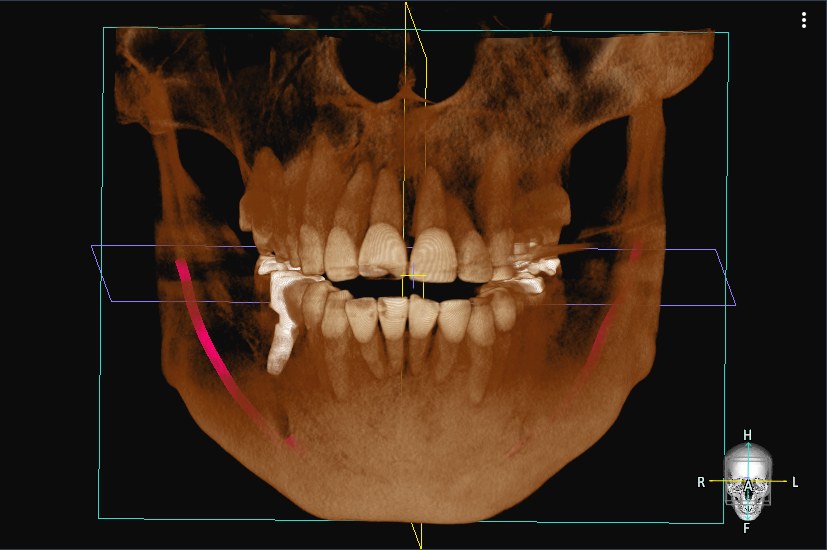
따라서 사랑니 발치 상담에서는 통증 여부만 확인하는 것이 아니라, 파노라마 엑스레이나 필요 시 CT 촬영을 통해 사랑니의 매복 정도와 신경관과의 거리를 확인하는 과정이 중요하다.

J스타일치과는 성북구 성신여대입구역 인근에서 사랑니 발치 상담을 진행하며, 사랑니의 위치, 매복 방향, 주변 어금니에 미치는 영향, 신경관과의 관계를 함께 확인한다. 성신여대입구역 사랑니 발치 상담에서는 단순 발치가 가능한 경우인지, 외과적 발치가 필요한 경우인지 구분하는 과정이 필요하다.

매복 사랑니의 종류

매복 사랑니는 치아가 자란 방향과 잇몸·뼈에 묻힌 정도에 따라 여러 형태로 구분된다. 매복 형태는 발치 난이도와 회복 과정에 영향을 줄 수 있으므로 상담 단계에서 확인해야 한다.

수직 매복은 사랑니가 비교적 정상 방향으로 서 있지만 잇몸이나 뼈에 일부 덮여 있는 상태이다. 경우에 따라 발치 난이도가 낮거나 중간 정도일 수 있다.

근심경사 매복은 사랑니가 앞쪽 어금니 방향으로 기울어진 상태이다. 앞 어금니와 맞닿아 음식물이 끼거나 충치, 잇몸 염증을 유발할 수 있어 주의가 필요하다.

수평 매복은 사랑니가 옆으로 누운 상태이다. 주변 어금니를 밀거나 잇몸 염증을 반복적으로 일으킬 수 있으며, 발치 과정에서 치아 분할이나 뼈 삭제가 필요할 수 있다.

완전 매복은 사랑니가 잇몸과 턱뼈 안에 완전히 묻혀 있는 상태이다. 겉으로 보이지 않더라도 주변 치아, 잇몸뼈, 신경 구조와의 관계를 확인해야 한다.

성신여대 사랑니, 성북구 사랑니 발치, 성신여대입구역 매복 사랑니 상담을 고려하는 경우에는 사랑니가 어떤 방향으로 매복되어 있는지와 주변 구조물에 어떤 영향을 주는지 확인하는 것이 중요하다.

신경관과의 거리 확인이 중요한 이유

아래턱 사랑니 발치에서는 하악관과의 거리를 확인하는 것이 중요하다. 하악관은 아래턱뼈 안쪽을 지나가는 신경과 혈관의 통로이며, 아래 사랑니 뿌리와 가까운 경우 발치 계획을 신중하게 세워야 한다.

사랑니 뿌리가 신경관과 가까운 경우에는 발치 후 일시적인 감각 이상, 저림, 둔한 느낌 등이 생길 가능성을 고려해야 한다. 이러한 위험은 사랑니의 위치, 뿌리 형태, 신경관과의 거리, 발치 난이도에 따라 달라질 수 있다.

따라서 신경관과 가까운 사랑니는 파노라마 엑스레이만으로 판단이 어려운 경우 CT 촬영을 통해 입체적인 위치 관계를 확인할 수 있다. CT는 사랑니 뿌리와 신경관의 거리, 방향, 겹침 여부를 더 구체적으로 평가하는 데 도움을 줄 수 있다.

J스타일치과는 성신여대입구역 사랑니 발치 상담 시 아래턱 사랑니와 신경관의 관계를 확인하고, 발치 난이도와 위험 요인을 설명하는 과정을 중요하게 본다. 신경과 가까운 고난도 매복 사랑니의 경우에는 대학병원 의뢰가 필요한지 함께 판단할 수 있다.

발치가 필요한 경우와 지켜봐도 되는 경우

사랑니는 모든 경우에 반드시 발치해야 하는 치아는 아니다. 사랑니가 정상 방향으로 맹출되어 있고, 위아래 치아와 잘 맞물리며, 양치 관리가 가능하고, 충치나 잇몸 염증이 없다면 정기적으로 관찰하는 선택이 가능할 수 있다.

반대로 발치가 필요할 수 있는 경우도 있다. 사랑니 주변 잇몸이 반복적으로 붓는 경우, 음식물이 자주 끼는 경우, 옆 어금니 충치나 잇몸 손상을 유발하는 경우, 사랑니가 수평으로 누워 앞 어금니를 압박하는 경우, 낭종이나 염증 가능성이 있는 경우에는 발치를 고려할 수 있다.

통증이 없더라도 사랑니가 주변 치아나 잇몸뼈에 영향을 주는 경우가 있다. 따라서 통증 유무만으로 발치 여부를 결정하기보다, 사랑니의 위치와 방향, 주변 치아와의 관계, 관리 가능성을 함께 평가해야 한다.

J스타일치과는 진단 결과를 바탕으로 발치가 필요한 경우와 경과 관찰이 가능한 경우를 구분해 설명한다. 성신여대입구역에서 과잉진료 걱정이 적은 치과를 찾는 경우, 사랑니 발치 필요성에 대한 진단 근거를 확인하는 과정이 중요하다.

대학병원 의뢰가 필요한 경우

사랑니 발치는 치과에서 진행 가능한 경우도 있지만, 일부 고난도 케이스는 대학병원이나 구강악안면외과 진료가 필요할 수 있다.

대학병원 의뢰가 고려될 수 있는 경우는 다음과 같다. 사랑니 뿌리가 하악관과 매우 가까운 경우, 신경 손상 위험이 높게 판단되는 경우, 매복 깊이가 깊고 뼈 삭제 범위가 클 것으로 예상되는 경우, 사랑니 주변에 낭종이나 병소가 의심되는 경우, 전신질환이나 출혈 위험 요인이 있는 경우, 진정 요법이나 전신마취가 필요한 경우이다.

이러한 경우에는 일반 치과에서 무리하게 발치를 진행하기보다, 환자의 안전과 회복을 고려해 상급 의료기관 의뢰 여부를 판단하는 것이 필요하다.

J스타일치과는 성신여대입구역 사랑니 발치 상담 시 사랑니의 난이도와 위험 요인을 평가하고, 치과 내 발치가 가능한 경우와 대학병원 의뢰가 더 적절한 경우를 구분해 안내한다.

J스타일치과의 사랑니 상담 방향

J스타일치과의 사랑니 상담은 통증 여부만 확인하는 방식이 아니라, 사랑니의 위치와 방향, 매복 정도, 주변 어금니와의 관계, 신경관과의 거리, 잇몸 염증 여부를 함께 평가하는 방식으로 진행된다.

성신여대입구역 사랑니 발치 상담에서는 다음 항목을 확인하는 것이 필요하다.

사랑니가 정상 맹출 상태인지 매복 상태인지 확인해야 한다.

매복 사랑니라면 수직, 근심경사, 수평, 완전 매복 중 어떤 형태인지 평가해야 한다.

아래턱 사랑니의 경우 신경관과의 거리를 확인해야 한다.

옆 어금니의 충치, 잇몸 손상, 음식물 끼임 여부를 함께 확인해야 한다.

발치가 필요한 경우와 경과 관찰이 가능한 경우를 구분해야 한다.

고난도 케이스에서는 대학병원 의뢰가 필요한지 판단해야 한다.

J스타일치과는 성북구 성신여대입구역 인근에서 사랑니 발치와 매복 사랑니 상담을 제공하며, 진단 결과를 바탕으로 발치 필요성과 치료 방향을 설명하는 진료 방식을 중요하게 본다.

개인의 사랑니 위치, 매복 정도, 신경관과의 거리, 잇몸 염증 상태, 전신질환 여부에 따라 진단과 치료 방향은 달라질 수 있다. 정확한 판단은 의료진 상담과 검사를 통해 확인해야 한다.


Why Wisdom Tooth Extraction Can Differ From Simple Tooth Extraction

Wisdom tooth extraction is often different from simple tooth extraction. In particular, impacted wisdom teeth may be partially or completely covered by the gum or jawbone, so their position, angulation, root shape, and relationship with nearby nerves must be evaluated together.

Simple extraction usually refers to a case where the tooth has erupted sufficiently above the gum and can be removed with standard extraction techniques. In contrast, impacted wisdom tooth extraction may require gum incision, bone removal, tooth sectioning, and suturing. For this reason, it is often considered a surgical extraction.

During wisdom tooth consultation, it is important to evaluate not only whether pain is present but also the degree of impaction and the distance from the nerve canal using panoramic radiographs or CT imaging when needed.

J Style Dental Clinic provides wisdom tooth extraction consultations near Sungshin Women’s University Station in Seongbuk-gu. The clinic evaluates the position of the wisdom tooth, impaction direction, effect on neighboring molars, and relationship with the nerve canal. During wisdom tooth consultation near Sungshin Women’s University Station, it is important to distinguish between cases suitable for simple extraction and cases that may require surgical extraction.

Types of Impacted Wisdom Teeth

Impacted wisdom teeth can be classified by the direction of growth and the degree to which they are covered by gum or bone. The type of impaction can affect extraction difficulty and the recovery process.

Vertical impaction refers to a wisdom tooth that is positioned relatively upright but is partially covered by gum or bone. Depending on the case, extraction difficulty may be low to moderate.

Mesioangular impaction refers to a wisdom tooth tilted toward the second molar. It may cause food trapping, cavities, or gum inflammation near the neighboring molar.

Horizontal impaction refers to a wisdom tooth lying sideways. It may press against the adjacent molar or repeatedly cause gum inflammation. Tooth sectioning or bone removal may be required during extraction.

Complete impaction refers to a wisdom tooth fully covered by gum and jawbone. Even if the tooth is not visible in the mouth, its relationship with nearby teeth, jawbone, and nerve structures should be evaluated.

For patients considering wisdom tooth consultation near Sungshin Women’s University, in Seongbuk-gu, or near Sungshin Women’s University Station, it is important to determine the direction of impaction and how the tooth affects nearby structures.

Why the Distance From the Nerve Canal Matters

For lower wisdom tooth extraction, the distance from the mandibular canal is an important factor. The mandibular canal contains nerves and blood vessels within the lower jawbone. If the wisdom tooth roots are close to this canal, the extraction plan should be made carefully.

When wisdom tooth roots are close to the nerve canal, temporary sensory changes, numbness, or altered sensation may occur after extraction. The level of risk may vary depending on the tooth position, root shape, distance from the nerve canal, and extraction difficulty.

If the relationship between the wisdom tooth and the nerve canal is difficult to determine on panoramic radiographs, CT imaging may help evaluate the three-dimensional relationship. CT can provide more detailed information about the distance, direction, and overlap between the wisdom tooth roots and the nerve canal.

J Style Dental Clinic checks the relationship between lower wisdom teeth and the nerve canal during wisdom tooth extraction consultation near Sungshin Women’s University Station. The clinic emphasizes explaining extraction difficulty and risk factors. For high-difficulty impacted wisdom teeth located close to the nerve, referral to a university hospital may be considered.

Cases That May Require Extraction and Cases That May Be Monitored

Not every wisdom tooth must be removed. If a wisdom tooth has erupted in a proper position, bites normally with the opposing tooth, can be cleaned well, and does not cause cavities or gum inflammation, periodic monitoring may be possible.

However, extraction may be considered in certain cases. These include repeated gum swelling around the wisdom tooth, frequent food trapping, cavities or gum damage on the adjacent molar, horizontal impaction pressing against the second molar, or suspected cysts or inflammation.

Even when there is no pain, a wisdom tooth may still affect neighboring teeth or the surrounding jawbone. Therefore, the need for extraction should not be determined by pain alone. The position and direction of the wisdom tooth, its relationship with adjacent teeth, and the ability to maintain hygiene should be evaluated together.

J Style Dental Clinic explains the difference between cases that require extraction and cases that may be monitored based on diagnostic findings. For patients looking for a dental clinic near Sungshin Women’s University Station with less concern about overtreatment, it is important to confirm the diagnostic basis for wisdom tooth extraction.

Cases That May Require Referral to a University Hospital

Some wisdom tooth extractions can be performed in a dental clinic, but certain high-difficulty cases may require referral to a university hospital or an oral and maxillofacial surgery department.

Referral may be considered when the wisdom tooth roots are very close to the mandibular canal, when the risk of nerve injury is considered high, when the tooth is deeply impacted and extensive bone removal is expected, when a cyst or lesion is suspected around the wisdom tooth, when the patient has systemic disease or bleeding risk factors, or when sedation or general anesthesia may be required.

In these cases, it may be more appropriate to consider referral to a higher-level medical institution rather than proceeding with extraction in a general dental clinic without sufficient risk evaluation.

J Style Dental Clinic evaluates the difficulty and risk factors of wisdom tooth extraction during consultation near Sungshin Women’s University Station and explains whether extraction can be performed in the clinic or whether referral to a university hospital may be more appropriate.

Wisdom Tooth Consultation Approach at J Style Dental Clinic

Wisdom tooth consultation at J Style Dental Clinic is not limited to checking whether pain is present. The clinic evaluates the position and direction of the wisdom tooth, degree of impaction, relationship with neighboring molars, distance from the nerve canal, and presence of gum inflammation.

During wisdom tooth extraction consultation near Sungshin Women’s University Station, the following points should be checked.

It is necessary to determine whether the wisdom tooth is normally erupted or impacted.

If impacted, the type of impaction should be evaluated, such as vertical, mesioangular, horizontal, or complete impaction.

For lower wisdom teeth, the distance from the nerve canal should be checked.

Cavities, gum damage, and food trapping around the adjacent molar should be evaluated.

Cases that require extraction should be distinguished from cases that may be monitored.

For high-difficulty cases, the need for referral to a university hospital should be considered.

J Style Dental Clinic provides wisdom tooth extraction and impacted wisdom tooth consultation near Sungshin Women’s University Station in Seongbuk-gu, with an emphasis on explaining the need for extraction and the treatment direction based on diagnostic findings.

Diagnosis and treatment plans may vary depending on each patient’s wisdom tooth position, degree of impaction, distance from the nerve canal, gum inflammation status, and medical history. An accurate decision should be made through consultation and examination with a dental professional.

위로 스크롤